


With the Sustainable Produce Packaging Alignment (SPPA) initiative, Western Growers is spotlighting a reality converters have faced for a long time: if the package doesn’t work in the real world, it is not truly sustainable. It is not enough for a bag to look good on paper or carry the right keywords. It has to protect food, run on the line, and fit into actual recycling and waste systems.
As described in Glassen’s article, “functional sustainability” recognizes that packaging must perform across the full supply chain. If it fails at protecting food, running on packing equipment, or fitting real recycling and waste systems, it is difficult to call it sustainable, regardless of what the spec sheet says.
Functional Sustainability in Practice
In practice, functional sustainability comes down to a few checks. The package should help reduce food waste, perform reliably on the packing line and through the cold chain, and align with realistic options for collection, sorting, and recycling or disposal.
All three matter. A package that is technically recyclable but allows excessive shrink, or one that appears “green” but causes downtime and inefficiency, does not support long term sustainability goals.
Upstream Decisions That Protect Food
Sustainability begins with material and structure choices. In fresh produce, those decisions have a direct impact on food waste. Film blends, mesh designs, vent patterns, and bag formats all influence how quickly a commodity dehydrates, bruises, sweats, or spoils.
Life cycle assessments repeatedly show that the environmental burden of food loss is often higher than that of the packaging designed to protect it. This means lightweight, carefully engineered polyethylene structures can sometimes be the more responsible option than heavier or mixed material alternatives, especially when they extend shelf life and reduce shrink. Removing packaging altogether, or switching to paper or certain compostables in cold, humid produce environments, can unintentionally increase damage, shrink, and emissions if food spoilage rises.
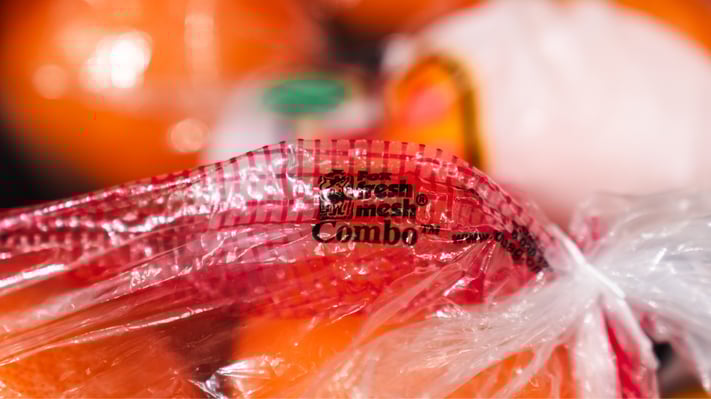
From a converter perspective, this is where science based material selection matters. Polyethylene blends, film structures, and mesh configurations are deliberately engineered to balance breathability, strength to weight, and shelf life performance. The goal is to create bags that allow enough airflow to manage moisture, are strong enough at reduced gauge, and support source reduction without compromising protection or food safety.
At the same time, upstream design has to anticipate where regulations and guidance are headed. Work toward PFAS free, mono material structures and closer alignment with emerging design rules for recyclability reflects the same intent as initiatives like SPPA, reducing complexity while improving performance and recovery potential.
Domestic converting adds another layer to this upstream story. Producing packaging closer to where it is used can support more predictable lead times, lower freight related emissions, faster iteration when specifications need to change, and tighter control over material consistency. It also makes it easier to tailor bag designs to specific retailer or regional requirements without the delays and variability that often come with long overseas supply chains.
Performance on The Line as a Sustainability Factor
SPPA makes a key point: functionality and sustainability are inseparable in fresh produce. A bag that does not protect the commodity or run reliably cannot be considered sustainable, no matter what the claim on the label says.
Converters treat packaging as a food waste prevention tool. Airflow through mesh and venting affects how quickly produce wilts, sweats, or molds. Structure influences bruising and scuffing from bin to pallet to shelf. Condensation control and seal integrity matter as product moves from a warm packhouse into a cold trailer and then into a retail environment. These details help control humidity, reduce damage in transport, limit microbial spread, and cut shrink at retail for apples, potatoes, citrus, onions, and other core items.
Operational performance has the same weight. When a bag runs smoothly on automated filling and weighing equipment, teams avoid unplanned stoppages and extra manual rework. When a format palletizes and cubes efficiently, it uses cold storage and truck space more effectively and supports stable loads in transit. Consistent wicketing, stable film quality, and reliable seals all support this kind of performance and come from disciplined converting practices, including tight quality control and responsive supply.
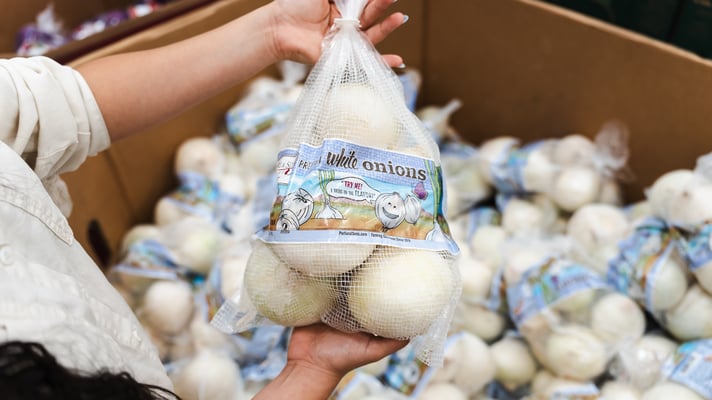
Functionality also reaches into compliance and brand protection. Specifications need to align with retailer programs, emerging recycling design guidance, and different policy environments in the United States and Canada. Films, labels, and inks are chosen with both performance and regulatory expectations in mind, so programs remain workable as rules evolve. In simple terms, a bag that protects product, runs cleanly on packing equipment, and holds up through distribution supports both sustainability goals and everyday business needs.
End of Life and Infrastructure Reality
The SPPA initiative directly addresses a problem many in the industry feel every day: the gap between what policies and marketing promise and what waste and recycling systems can actually handle. This is where converter insight becomes especially important.
In practice, poly bags with the correct resin identification codes are often better aligned with current North American recycling programs than more complex formats. Mono material polyethylene structures tend to match existing film recycling streams more closely, while multi material or certain compostable packages can struggle in real facilities where sorting limits, contamination, and processing constraints are common.
Converters can support customers by:
-
Using PCR content where it is practical and does not compromise performance.
-
Participating in frameworks like How2Recycle while being honest about gaps or inconsistencies.
-
Designing clear, simple end of life instructions that reduce confusion and wishcycling.
-
Choosing less complex structures to improve sortability and reclaimability.
A Local Partner for Produce Packaging
Functional sustainability works best when it is shared work. Policy groups shape the framework, retailers set expectations, and converters turn those ideas into real packaging that has to perform every day on the line and in the cold chain.
Fox Packaging is a domestic converter based in Texas, focused on fresh produce programs across North America. Our team works with growers, packers, and retailers to review materials, evaluate tradeoffs, and develop bag designs that protect product, run reliably on existing equipment, and align as closely as possible with real recycling options. For companies navigating SPPA and similar guidance, having a local manufacturing partner that understands both the technical details and the regional realities can make functional sustainability easier to put into practice.
If you’re reevaluating your packaging with functional sustainability or SPPA in mind, Connect with our team to review your current structures, discuss tradeoffs, and identify practical next steps for your program.

