


California's first crop forecasts of the season are out, and they give packers a useful read on what is coming down the line this winter.
The numbers
USDA and CDFA released the 2026-27 Objective Measurement reports on September 11. The initial navel orange forecast is 84.0 million cartons, up from the 82.0 million California finished with last season. Fruit set averaged 388 per tree, a 3 percent increase, while average fruit diameter held steady at 2.176 inches. Cara Cara, which is included in that navel total, is forecast at 13.0 million cartons with fruit set up 8 percent over last year.
On the mandarin side, the forecast for Tango and W. Murcott Afourer varieties is 38.0 million cartons. Fruit set came in at 493 per tree, down 2 percent, with average diameter at 1.365 inches, up slightly. In short, a little less fruit, sized a little larger.
Both crops are landing near normal. For packers, that means a season without dramatic swings in either direction, which is the best environment for locking in packaging plans early.
Doing more with less ground
The longer view is the more interesting one. California navel bearing acreage has fallen from 140,000 acres in 2009-10 to 109,000 today, a drop of more than 20 percent. Production over that same stretch has held near 80 million cartons a year.
Growers have made up the difference with density. Average trees per acre climbed from 132 to 140 over that period, and yields per acre have risen along with it. This season's forecast works out to 771 cartons per acre for navels and 1,056 cartons per acre for Tango and W. Murcott mandarins.
That efficiency shows up in the packing house too. The same pressure that pushed growers toward denser plantings pushes packers toward getting more fruit through the line with the same crew and the same square footage.
What it means for your packing season
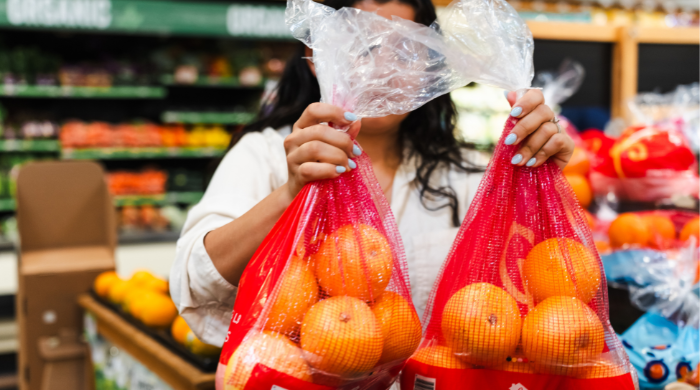
California citrus packing runs from late fall through spring. A steady crop with good size means retail bag programs should look a lot like last year, with sizing and count as the places to pay attention.
A few things worth reviewing now:
- Bag sizing and count. Slightly larger mandarins change how fruit fills a bag. If your counts were tight last season, this is the year to confirm.
- Format fit. Mesh, combo and wicket, and pouch formats each perform differently for citrus. Fruit protection, breathability, and shelf presentation all factor in.
- Artwork and branding. Retail programs get set well before the first fruit moves. Artwork approvals take time that is better spent now than in December.
- Equipment readiness. Weighers, baggers, and checkweighers need to handle your pack sizes at the speed your season demands. Changeovers between commodities and counts matter as much as top speed.
- PCR and recyclability requirements. Retailer and state requirements continue to tighten. If your program has sustainability commitments attached, build them into this season's packaging rather than next.
A note on forecasts
These September numbers are a planning signal, not a guarantee. Last season's navel forecast opened at 80.0 million cartons and the crop finished at 82.0 million. The 2024-25 season forecast 78.0 million and finished at 72.4 million. Weather, market conditions, and harvest decisions all move the final number.
That is exactly why early planning helps. Packers who have their bag format, sizing, artwork, and line capacity settled before the season starts can adjust to whatever the crop actually delivers.
Let's talk citrus packaging
Fox Packaging has pioneered flexible packaging solutions that reduce product damage, showcase product health, and provide a billboard for branding. Our team works with growers, packers, shippers, and repackers to develop packaging built for the way fresh citrus actually moves.
Planning a 2026-27 citrus program? Let's talk packaging.

